
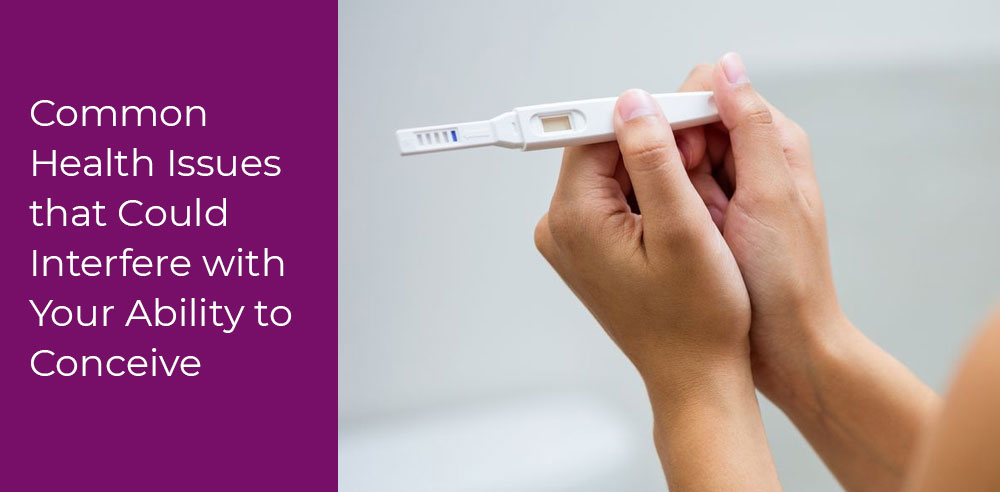
Planning a family is one of the most important things for any couple and when you are not able to turn that dream into reality, it can be quite frustrating. Nowadays, most couples prefer postponing their pregnancies due to career planning, or any other personal commitments. This calls for the need of using different forms of protection like birth control pills and condoms. It is believed that nearly 80 per cent of couples, who have unprotected sex twice a week are likely to conceive naturally, within a year. However, this does not hold for all the couples out there as there are many, who struggle for years without any successful results. Infertility is a very common problem, experienced by more than 14 per cent of the Indian population, and it is usually triggered by a health issue concerning either of the two partners or both of them. In this blog, we have discussed common health issues that affect female infertility with the help of experts from the best IVF clinic in Noida.
PCOS – Polycystic ovarian syndrome is one of the most common health issues affecting females all over the globe. With a very high prevalence of 1 in 5 cases, the problem is marked by severe hormonal imbalance in the body that gives Trigger a variety of different symptoms. This can also impact the ability of your ovaries to release eggs. Polycystic ovarian syndrome is characterized by symptoms that include abrupt weight gain, abnormal facial hair growth, irregular ovulation, acne outbreaks and difficulties in conception. Polycystic ovarian syndrome is a lifestyle condition that can only be managed by making healthy changes in your day to day life. You may also be prescribed certain medicines to help manage the symptoms. If you are finding it difficult to conceive with polycystic ovarian syndrome it is important to see a doctor from the ICSI clinic in Noida and explore your treatment options.
Endometriosis – Do you experience chronic abdominal and pelvic pain while having sex or when you are about to have your periods. Don’t ignore the signs for long as these could be an indication of Endometriosis. The problem is marked by the outgrowth of the endometrial tissue to the area and organs surrounding the uterus. Marked by chronic pain that aggravates while you are menstruating or indulging in any sexual activity, endometriosis does not necessarily affect the fertility of the patient and in case it does, it is because of the chronic inflammation, that prevents the embryo from getting implanted on the wall of the uterus. If not taken care of medically, the problem can aggravate and even lead to scarring or blockage of the fallopian tubes. Most patients need to undergo surgery for the removal of the endometrial tissue before they play a pregnancy.
Uterine fibroids – These refer to the tiny, non-malignant growth that develops in the uterus and triggers severe abdominal pain and heavy periods. Nearly one-third of the female population across the globe suffers from the problems however it does not always interfere with their ability to conceive. There is one specific type of fibroids, commonly referred to as submucosal fibroids, which have been associated with infertility and difficulties in conception by alleviating the chances of embryo implantation. Why some fibroids can be easily managed with the help of medication, others are to be removed surgically.
Hypothyroidism – Hypothyroidism is a condition in which the patient’s thyroid gland is underactive, which means that it is not capable of producing enough hormones like thyroxine (T4) and triiodothyronine (T3) to meet the requirement of your body. A patient suffering from the condition is likely to experience drastic weight gain, and find it difficult to lose the same even if they try to. Not only this, but hypothyroidism can also disrupt the normal hormonal signals that direct your ovaries to release eggs, thereby making it difficult for you to conceive a baby. Luckily the problem is manageable with lifestyle changes and medication.
